Picture this: You sprinkle some catnip on your cat’s favourite toy, waiting for the usual acrobatic display of joy. But instead? Your kitty gives it a sniff, blinks slowly, and walks away like you’ve just offered them yesterday’s tuna. Sound familiar?
Here’s the thing – about 30 to 40% of cats don’t respond to catnip at all. It’s genetic, and if your fur baby didn’t inherit those magic catnip genes, no amount of sprinkling or waving will change their mind.
But don’t worry. There’s a secret weapon that many South African cat parents haven’t discovered yet: valerian root. This earthy, aromatic herb can turn even the most catnip-indifferent feline into a playful bundle of energy.
Let’s dive into the showdown between these two herbs and help you figure out which one will make your Fur Family member the happiest.
What makes catnip so special (for some cats)
Catnip (Nepeta cataria) is the rockstar of the cat herb world. This member of the mint family contains a compound called nepetalactone that binds to protein receptors in a cat’s nasal tissue, stimulating sensory neurons that project to the olfactory bulb and trigger emotional responses in the brain.
About 60% of cats will have a behavioral reaction to catnip, and when they do, it’s quite the show. You’ll see rolling, rubbing, head-shaking, and that blissed-out look that makes you wonder what they’re experiencing. The response is hereditary, with about 70 to 80% percent of cats exhibiting this behavior.
The catnip party typically lasts 10 to 15 minutes, followed by a “refractory period” where your cat becomes temporarily immune to its effects for about two hours.
Our Happy Nip dried catnip is perfect for cats who love that classic catnip experience – just a sprinkle on their scratcher or rolled into a toy, and you’re off to the races.
View this post on Instagram
So, what’s valerian root, and why do cats love it?
Now let’s talk about valerian root (Valeriana officinalis) – the herb that might just be your non-catnip-responding cat’s new obsession.
Here’s where it gets interesting: while valerian root calms humans down (it’s literally called “poor man’s Valium”), it has the opposite effect on cats, acting as a stimulant that promotes play and reduces stress and anxiety.
In a study of 100 cats published in BMC Veterinary Research, 47% responded positively to valerian root. But here’s the real game-changer: of the cats who didn’t respond to catnip at all, 19% did respond to valerian root. That means valerian can reach cats that catnip simply can’t.
The active compound in valerian root is called actinidine, and it works differently from nepetalactone. Some cats will go absolutely bonkers for it – rolling, jumping, vocalising, and displaying that same euphoric energy you’d expect from catnip.
Our Mellow Meow dried valerian root is specially sourced for maximum potency. Fair warning: the smell is… earthy (some might say pungent), but your cat won’t care one bit.
The truth about valerian’s smell
Let’s be honest about the aroma situation. Catnip has a pleasant, minty-sweet scent that most humans find agreeable. You can leave catnip toys out without clearing the room.
Valerian root? That’s a different story. The smell is strong, musky, and distinctly… earthy. Some people compare it to old socks or sweaty gym gear. (We’re being real with you here!) Because it has a strong odour that offends many people, you might wish to keep your valerian root stored in a sealed container between uses.
But here’s the thing: your cat doesn’t care about your delicate human sensibilities. To them, valerian root smells like pure, concentrated joy.
How dried valerian affects cats differently from catnip
Catnip’s magic: Nepetalactone enters the cat’s nasal tissue and binds to protein receptors that stimulate sensory neurons, which project to the olfactory bulb and reach the amygdala and hypothalamus in the brain. The hypothalamus essentially interprets it as a feline pheromone, creating what looks like a “sexual response” – your cat is basically reacting to an artificial cat pheromone.
Dried valerian’s approach: The chemical compound actinidine in valerian root acts like a feline pheromone, causing about 50% of cats to exhibit euphoric behaviour including excitement, playfulness, rolling around, sniffing, chewing, and rubbing their cheeks and chin.
Both herbs work through your cat’s sense of smell, but they’re taking different chemical pathways to get to that blissful state.
How to introduce valerian root or catnip to your cat
Start small: Whether you’re trying Happy Nip or Mellow Meow, begin with about half a teaspoon. Valerian is typically coarsely chopped into small pieces to release a stronger scent, so a little sprinkle goes a very long way.
Watch the reaction: Every cat is different. Some will roll immediately, others might take a few sniffs before the party starts. Give them space to explore at their own pace.
Don’t overdo it: Use bit of catnip at a time, and the same goes for valerian. If your kitty enjoys frequent catnip adventures, they will likely build a tolerance to the herb’s effect, gradually diminishing their response to it. Keep it special by offering these treats a few times a week, not daily.
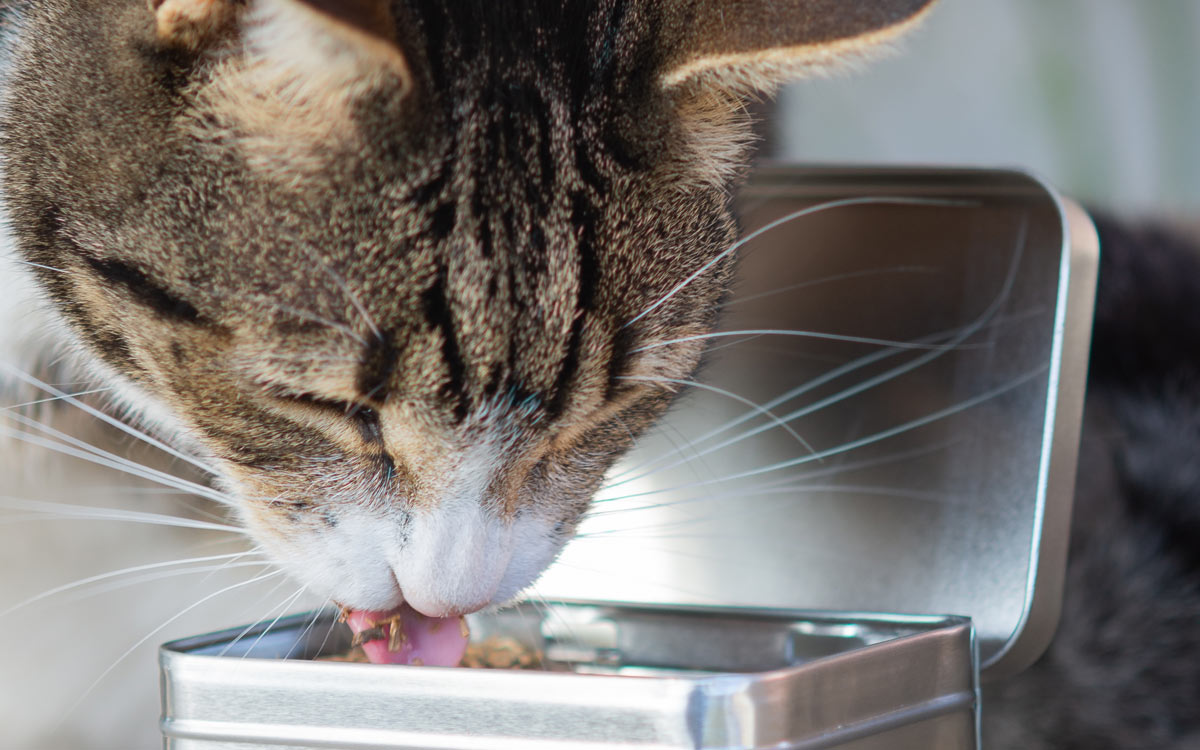
Storage matters: Both Happy Nip and Mellow Meow come in tins to keep them fresh. Store in a cool, dry place. For Mellow Meow, keep that tin sealed tight – trust us, you don’t want that earthy aroma taking over your linen cupboard!
Is valerian root 100% safe for cats?
Both catnip and valerian root are perfectly safe for cats. Catnip is considered to be a safe and non-addictive treat, with most cats walking away when they’ve had enough.
However, if a cat ingests large amounts of valerian root, it may cause mild gastrointestinal upset, such as vomiting or diarrhoea. That’s why we recommend offering it in toys or sprinkled on surfaces, not fed directly in large quantities.
Never give your cat:
- Human valerian supplements (different dosages and potentially harmful additives)
- Highly concentrated catnip oils
- Any herb if your cat shows signs of distress
Valerian root can’t be metabolised by your cat in a way that causes addiction, which makes it impossible to overdose in the traditional sense, but moderation is still your friend.
How age can affect your cat’s response to catnip and valerian root
Catnip doesn’t usually affect kittens until they are about six months old and begin to reach sexual maturity. The same goes for valerian root – their sensory systems simply aren’t mature enough yet.
Senior cats are less likely to be affected by catnip than adult cats, with the response often being less pronounced or even absent. But that doesn’t mean they won’t enjoy it, just expect a more mellow experience.
Catnip or valerian – which wins?
Here’s the honest answer: why choose at all? If your cat already loves catnip, Happy Nip will keep them happy and entertained. But if you’ve got a catnip non-responder in your Fur Family, Mellow Meow could be the game-changer you’ve been looking for.
Some cats love both. Some prefer one over the other. And yes, about 30% won’t respond to either – and that’s okay too! (There are other enrichment options like good old-fashioned interactive play.)
It’s time to test their taste
The only way to know if your cat is Team Catnip or Team Valerian is to try both. Grab some Happy Nip and Mellow Meow, set up a safe space, and let your Fur Family member be the judge.
Watch their reaction, take notes (or videos – we love seeing happy cats!), and adjust accordingly. Some cats surprise you. That dignified senior who’s been ignoring catnip for years? They might go absolutely feral for valerian root.
And if your cat turns up their nose at both? No judgement. Not every cat is into herbal enrichment, and that’s perfectly fine. There are plenty of other ways to keep them entertained and happy.
FAQs
What percentage of cats respond to valerian root?
Research shows that approximately 47% of cats respond to valerian root. More importantly, 19% of cats who don’t respond to catnip will still respond to valerian, making it an excellent alternative for catnip non-responders.
Can I give my cat valerian root every day?
While valerian root is safe for cats, it’s best to offer it only a few times per week rather than daily. Frequent exposure can lead to tolerance, diminishing your cat’s response over time. Keep it special to maintain its effectiveness!
Why doesn’t my cat react to catnip?
About 30-40% of cats are genetically unresponsive to catnip. The sensitivity to nepetalactone (catnip’s active compound) is hereditary. If your cat doesn’t respond to catnip, try valerian root – they may respond to actinidine instead.
Is valerian root the same as the valerian supplement humans take?
While they come from the same plant, never give your cat human valerian supplements. These contain different concentrations and may include additives that are harmful to cats. Always use products specifically formulated for felines, like our Mellow Meow dried valerian root.
How long do the effects of valerian root last on cats?
The effects of valerian root typically last longer than catnip – anywhere from 15 to 30 minutes. Some cats experience an initial burst of energy followed by a calming phase, making it useful for both play and relaxation.
Can valerian root help with my cat’s anxiety?
Valerian root can help reduce stress and anxiety in cats while also promoting playfulness. The initial stimulation helps cats release pent-up energy, followed by a calming effect that can help anxious cats settle down.
What’s the difference between catnip and valerian root chemically?
Catnip contains nepetalactone, while valerian root contains actinidine and valerenic acid. Both compounds mimic feline pheromones but interact with different receptors in your cat’s brain, which is why some cats respond to one but not the other.
At what age can kittens have valerian root or catnip?
Kittens typically don’t respond to catnip or valerian root until around six months of age. Before that, their sensory systems aren’t developed enough to react to these herbs.
Can cats overdose on valerian root?
Valerian cannot be metabolised in a way that causes traditional overdose or addiction. However, ingesting large amounts may cause mild gastrointestinal upset like vomiting or diarrhoea. Offer it sprinkled on toys or surfaces rather than allowing direct consumption of large quantities.
Why does valerian root smell so strong?
Valerian root contains volatile oils that produce its distinctive earthy, musky odor. While humans often find the smell unpleasant, cats are attracted to it because the compounds mimic feline pheromones. Store it in an airtight container to contain the scent.
Can I mix valerian root and catnip together?
Yes! Some cat parents create a blend of both herbs to maximise the chances of their cat responding. This can be especially useful in multi-cat households where different cats have different preferences.
Where can I buy quality valerian root for cats in South Africa?
Look for products specifically formulated for cats from reputable pet supply companies. Our Mellow Meow dried valerian root is sourced for maximum potency and safety, ensuring your Fur Family gets the best quality herbal enrichment available.