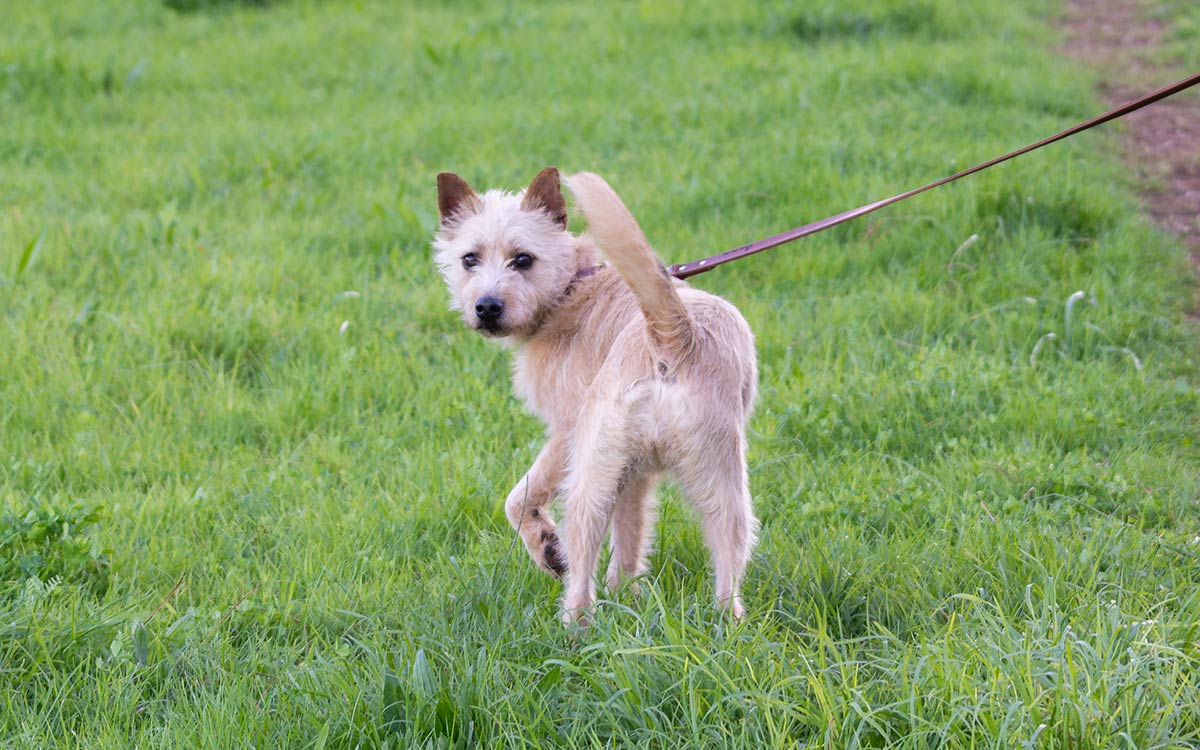
Your dog’s daily walk isn’t just about bathroom breaks – it’s one of the most important things you can do for your fur friend’s physical and mental wellbeing. Whether you’re a first-time dog owner or you want to improve your routine, this complete guide covers everything you need to know to make walks safe, enjoyable, and beneficial for both of you.
Why dog walks matter more than you think
You should aim to walk your dog at least once a day for 30 minutes or more, as regular walks are essential for your dog’s overall health. Of course, this recommendation also depends on the breed, size, age, and general health. If you’re unsure, it’s best to chat to your vet.
Regular walks help dogs maintain healthier weights, experience fewer behavioural problems, and enjoy longer, happier lives. But your dog needs more from a walk than just physical exercise. Walks provide important mental stimulation, socialisation opportunities, and a chance to explore their environment through their most powerful sense – smell. Think of it as your dog reads the neighbourhood news: every lamp post, tree, and patch of grass tells them something about the world around them.
The physical benefits of regular dog walks
Dogs that don’t get enough exercise risk obesity, which can lead to various health risks like liver and cardiovascular disease, insulin resistance, and osteoarthritis. Regular walks help your dog maintain a healthy weight, build muscle mass, and keep joints flexible, which is especially important for large breeds prone to hip dysplasia and arthritis.
For older dogs, gentle daily walks can actually improve mobility. A walk is a great low-impact activity option that’s fantastic for joint health, as pets get stiff if they’re sedentary for too long.
The mental and behavioural benefits
Here’s something many dog owners don’t realise: behavioural issues like excessive barking, destruction, digging, and chewed furniture can stem from boredom, anxiety, lack of exercise, or insufficient mental stimulation. That destroyed couch cushion? It might not be spite. Your dog could simply need more walks.
Many dogs, especially high-energy breeds, become bored and frustrated if they don’t get enough outdoor exercise and mental stimulation, which leads to destructive behaviour. Regular walks give your dog an appropriate outlet for pent-up energy and reduce problem behaviours naturally.
How much exercise does your dog actually need?
The answer isn’t one-size-fits-all. Your dog’s exercise needs depend on several factors: breed, age, size, and overall health. But there are some general guidelines you can follow.
Puppies: A good rule of thumb for puppies is five minutes of exercise per month of age, twice a day. For instance, a four-month-old puppy might handle 20 minutes per walk. Their joints are still in development, so keep walks short and gentle.
Adult dogs: Most adult dogs benefit from at least 30 minutes to an hour of daily exercise. However, this varies significantly by breed:
- High-energy breeds (Border Collies, Huskies, Labradors): These breeds thrive on walks that last up to an hour or more, coupled with opportunities to run and play
- Moderate-energy breeds: 30-45 minutes of daily exercise usually suffices
- Low-energy or brachycephalic breeds (Pugs, Bulldogs): Shorter, more frequent walks work better due to their respiratory challenges
Senior dogs: As dogs enter their senior years, usually around age eight and older, their stamina and joint health may start to decline. Walks remain important to maintain muscle strength and manage weight, but they should be gentler and shorter.
Always consult your veterinarian to determine the appropriate exercise regimen for your specific dog, especially if they have any health conditions.
4 essential dog walk safety tips
1. Always use a lead
No matter where you’re walking, always keep your dog on a lead, as this can help prevent them from running into a busy road, approaching unfamiliar dogs or people, or getting lost. If your dog is well-socialised and responds to recall, you can let them off their lead in areas where this is allowed. Just make sure you check this first – there should be clear signage that tells you where an area allows for off-lead dogs.
When it comes to choosing the right lead, make sure it’s appropriate for your dog’s size and strength, and comfortable for you. Don’t forget to keep a firm grip on the lead at all times.
Gear up right: A quality leather lead gives you both control and comfort. Check out The Rover, a durable, stylish leather lead that will last for years.
2. Stay aware of your surroundings
Keep your eyes open for potential hazards:
- Cars and traffic
- Other dogs (not all are socialised or friendly)
- People, especially children, who might approach without permission
- Broken glass, bones, or other dangerous objects on the ground
- Hot pavements or tar roads in summer (if it’s too hot for your bare feet, it’s too hot for paw pads)
In summer, don’t forget to take water with you on longer walks. It’s a good idea to head out early or late to avoid the peak heat. Remember, hot asphalt or tar can burn paws.
3. Always scoop the poop
This one’s non-negotiable. Carry poop bags with you on every walk – take more than you think you’ll need! On the off chance you do find yourself in a sticky situation without any poop bags at hand, ask another dog walker for some help.
Stay prepared: Keep your poop bags organised and easily accessible with a leather poop bag holder.
4. Keep to a schedule
Try to walk your dog on a regular schedule. Dogs thrive on routine, and when they know to expect their walk, it reduces anxiety and helps prevent behavioural problems. Consistency also ensures your dog gets the exercise and stimulation they need to stay healthy and happy.
The do’s and don’ts of dog walks
Here are some great dos and don’ts to keep in mind every time you go for a walk:
Do…
- Pay attention to your dog. Walks are bonding time – put your phone away and interact with your fur friend. Walks are also a means for your dog to enjoy their environment, so allow your dog to take “sniff breaks” within reason.
- Vary your route regularly. Even small changes (a familiar route in reverse or on the other side of the road) provide new mental stimulation for your dog.
- Give other dogs space. Not every dog wants to say hello, and that’s okay. Always ask the owner before you let your dog approach another dog.
- Train as you walk. A walk with your dog offers a perfect opportunity to train, as dogs don’t know how to walk on a lead when they’re born. Use walks to reinforce commands and reward good behaviour.
Don’t…
- Spend the walk on your phone. Your dog deserves your attention, and you need to stay aware of potential hazards.
- Expect your dog to be friendly with every dog they meet. Dogs are actually selectively social, not universally social. Your dog doesn’t need to play with every dog they see.
- Pull back harshly if your dog pulls. This creates a cycle of resistance. Instead, use positive methods to train (more on this below).
How to stop your dog from lead pulls
Lead pulls make walks stressful for everyone. Here’s how to teach your dog to walk politely:
- The stop-and-start method: When your dog starts to pull, immediately stop. Stand still and wait. Only move forward again when the lead goes slack. Eventually, your dog will figure out that pulling not only doesn’t get them where they want to go, but actually pushes them further away.
- The direction-change method: Change direction every time your dog hauls you. This can get tedious, but that’s why it works. Your dog learns that pulls don’t work.
- Reward good behaviour: Carry treats and reward your dog frequently when they walk nicely beside you. Make a walk with a loose lead more rewarding than pulls.
- Consider a no-pull harness: If standard methods aren’t effective, a properly fitted no-pull harness or head halter can help you train your dog more effectively. However, these are tools to train, not permanent solutions.
- Get professional help: If these methods don’t work, consult your veterinarian or a pet behaviourist for professional guidance.
Make walks rewarding for nervous dogs
If your dog is anxious or fearful during walks, take it slowly:
- Start in quiet, familiar areas
- Keep initial walks short (5-10 minutes)
- Bring high-value treats to create positive associations
- Never force your dog into scary situations
- If your dog exhibits signs of fear, contact your vet to book an appointment. Your veterinarian can help by offering specific tips and advice on how to appropriately manage your dog’s fear safely and efficiently
When to worry: signs your dog needs a vet check
If your pet shows signs of lameness, difficulty with breath, or seems to tire quickly during walks, consult your veterinarian. Other red flags include:
- Limps during or after walks
- Excessive panting or difficulty with breath
- Refusal to walk or sudden stops
- Seems unusually tired for more than two days
If your dog stops and won’t move, it’s always a good idea to call your vet to get advice and book a physical examination, as many of the potential causes are due to an underlying medical condition or even a veterinary emergency.
The bottom line: walks benefit everyone
Daily dog walks aren’t just good for your fur friend – they’re brilliant for you too. Dog owners tend to be more physically active, experience less stress, and enjoy better overall health. Plus, there’s something special about that daily ritual: the excited tail wags when you pick up the lead, the neighbourhood friendships you build with other dog walkers, and those quiet moments when it’s just you and your best friend as you explore the world together.
Make walks a priority, not an afterthought. Your dog’s physical health, mental wellbeing, and happiness depend on them. And who knows? You might find that the daily walk becomes the best part of your day, too.
Key takeaways: dog walk essentials
- Walk your dog at least once daily for a minimum of 30 minutes, adjusted for breed, age, and health.
- Exercise prevents behavioural problems like chewing, digging, and excessive barking because it provides mental and physical stimulation.
- Always use a lead in public areas to keep your dog safe from traffic, unfamiliar dogs, and the risk of getting lost.
- Vary your route to provide new mental stimulation, even if it’s just a familiar route in reverse.
- Bring essentials: Poop bags, water, treats, and a quality leather lead for comfort and durability.
- Allow sniff breaks – smell is how dogs explore and understand their environment.
- Train while you walk and reward good lead behaviour as you practice commands.
- Stop lead pulls when you stand still, as your dog pulls, and only move forward when the lead is slack.
- Watch for health issues like limps, excessive panting, or difficulty with breath. Consult your vet if these occur.
- Protect paws from hot pavement during the hot summer months.
- Make it routine. Dogs thrive on schedule,s and consistent daily walks reduce anxiety.
This post was last updated on 25 October 2025.